A Reading Guide
The Books and Films That Inspired Miss Chambers and the Countess
Every vampire story begins a conversation with the ones that came before it.
Miss Chambers and the Countess owes a great deal to the Gothic tradition, although perhaps not in the ways readers might expect. Rather than modern vampire fiction, I found myself returning to the nineteenth and early twentieth centuries, when vampires were mysterious, frightening, and often deeply tragic.
Disclosure: As an Amazon Associate I earn from qualifying purchases made through links on this page.
Carmilla (1872)
Find Carmilla on Amazon →Before Dracula, there was Carmilla.
Sheridan Le Fanu's novella established many of the themes that continue to shape sapphic vampire fiction today: intimacy, longing, secrecy, and the unsettling feeling that desire and danger can become impossible to separate.
Maya Novak certainly belongs to the lineage that Carmilla created, although she is neither predator nor seductress in quite the same way. She has lived too long to be interested in manipulation. What fascinates me instead is what centuries of memory might do to an otherwise ordinary human being.
Dracula (1897)
Find Dracula on Amazon →Stoker's greatest contribution was not simply the Count himself.
It was the collision between rationality and folklore.
Jonathan Harker arrives armed with education, contracts, and common sense. None of them are enough.
Laura Chambers begins from almost the opposite direction. She is an archaeologist and manuscript scholar. Her instinct is to catalogue, analyse, and understand.
Unfortunately, vampires do not care very much about academic methodology.
Nosferatu (1922)
Find Nosferatu (1922) on Amazon →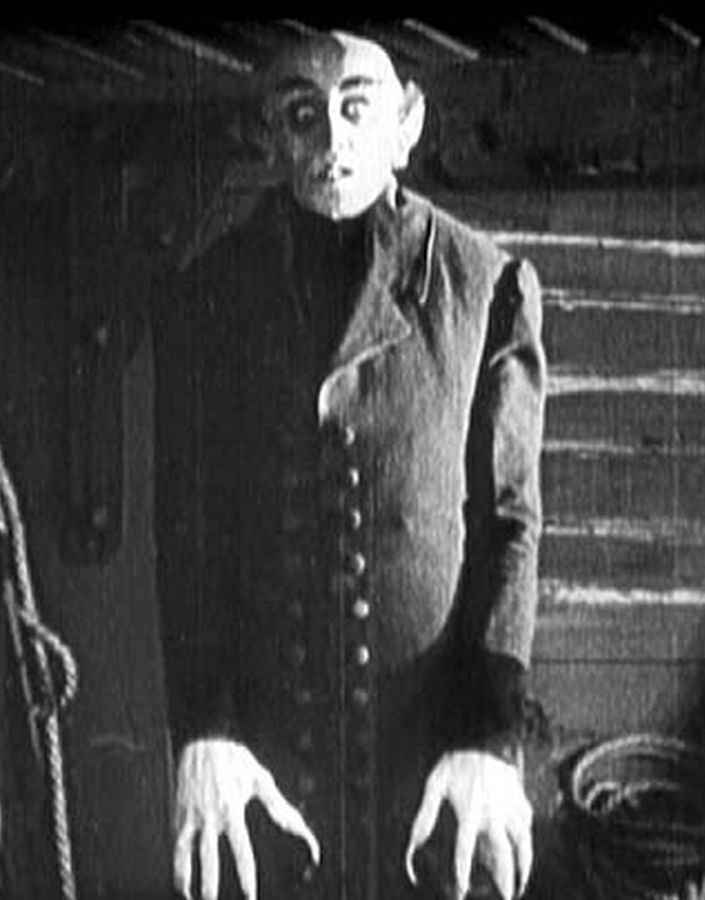
If one film captures the feeling I wanted, it is probably Nosferatu.
Its silence. Its shadows. Its sense that ancient things move patiently while ordinary people barely understand what they are seeing.
That atmosphere shaped far more of the novel than any particular plot element.
Dracula (1931)
Find Dracula (1931) on Amazon →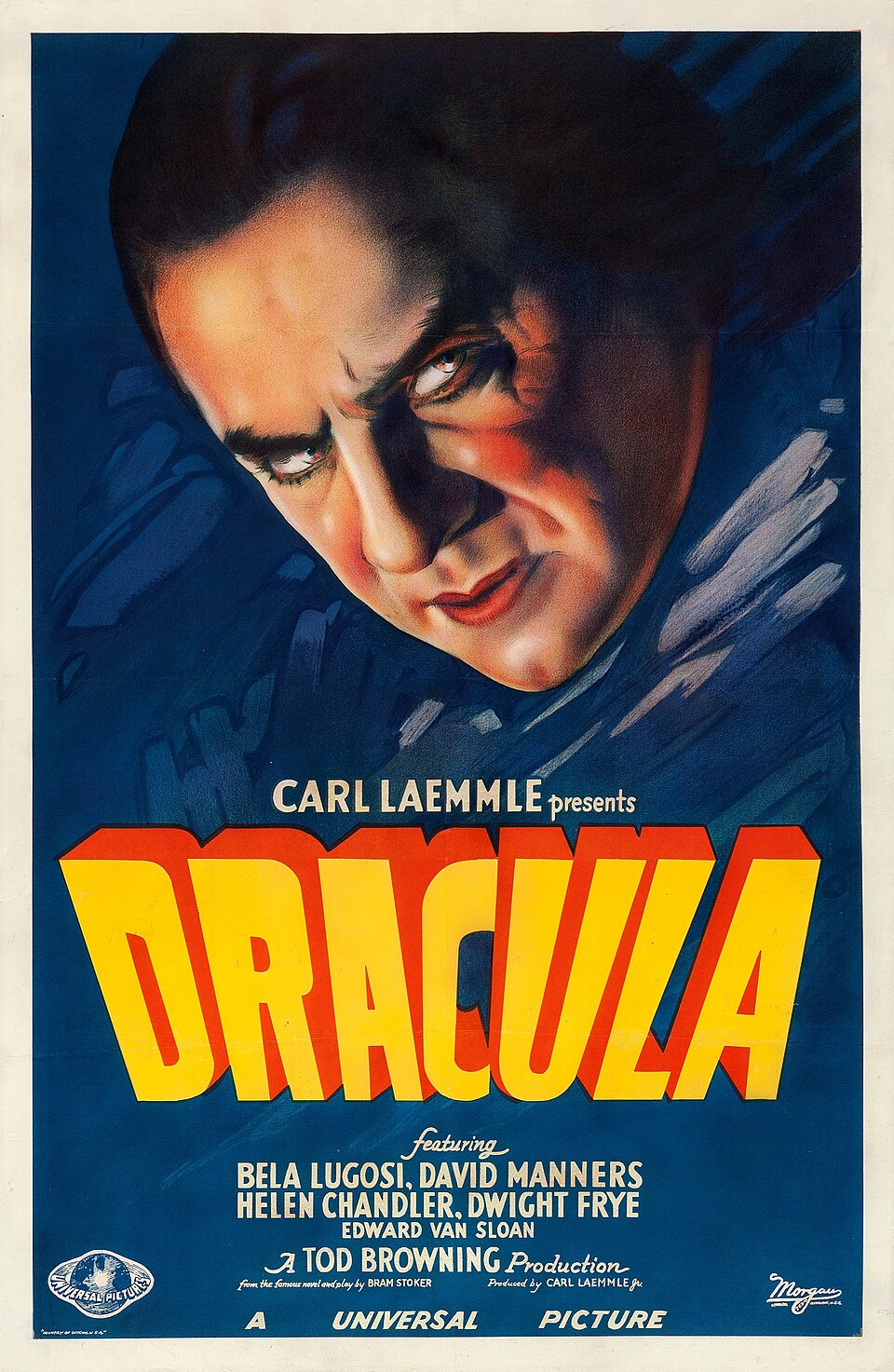
Bela Lugosi's Dracula changed how audiences imagined vampires.
Elegant. Controlled. Civilised. Dangerous without needing to raise his voice.
Maya shares some of that restraint. She rarely threatens anyone directly because she almost never needs to.
Dracula's Daughter (1936)
Find Dracula's Daughter on Amazon →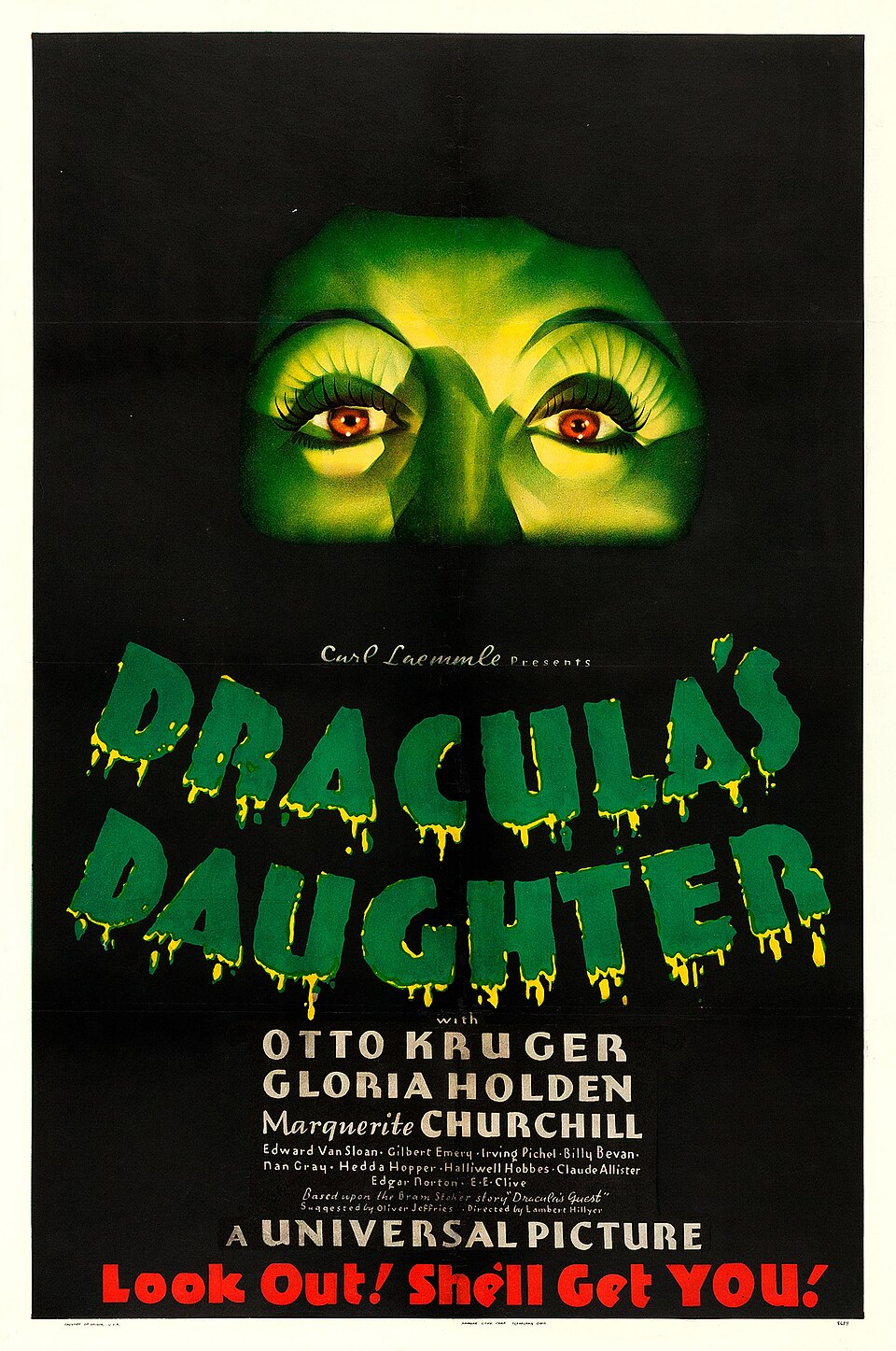
One of the most fascinating vampire films ever made.
Its treatment of loneliness, repression, and immortality feels surprisingly modern.
Without saying very much explicitly, it explores questions that still sit at the centre of vampire fiction today.
What does it mean to love someone whose life is measured differently from your own?
That question lies at the heart of Miss Chambers and the Countess.
Looking Back to Move Forward
I never wanted to write a modern vampire novel with secret councils, supernatural politics, or elaborate magic systems.
I wanted to write something that felt as though it could sit comfortably beside the Gothic stories that first made me fall in love with the genre.
A castle in the Carpathians. A scholar from London. A woman who has watched centuries pass.
Sometimes the oldest stories still have the most interesting questions.