A Reading Guide
Best Sapphic Vampire Books
Immortal women, candlelit castles, and the love stories that refuse to die.
The vampire story has always been a sapphic story in disguise. Long before the genre had a name, a young woman was walking down a corridor she should not have entered, drawn toward a presence that was beautiful, dangerous, and unmistakably female. From Carmilla onward, the vampire has been one of the few figures in literature allowed to desire women openly — and to make that desire feel like power.
What follows are the classics that built the form, the modern novels that reclaimed it, and the gothic neighbours that share its weather.
Disclosure: As an Amazon Associate I earn from qualifying purchases made through links on this page.
Featured Novel
Miss Chambers and the Countess
For readers who wanted Carmilla to breathe. Aaron D. Stott's gothic romance sends a reserved Victorian scholar to a remote Carpathian castle to catalogue ancient manuscripts, only to find that the immortal Countess who lives there is far more interested in her than in any book. It is a love story between mortality and eternity, between silence and the voice that finally breaks it.
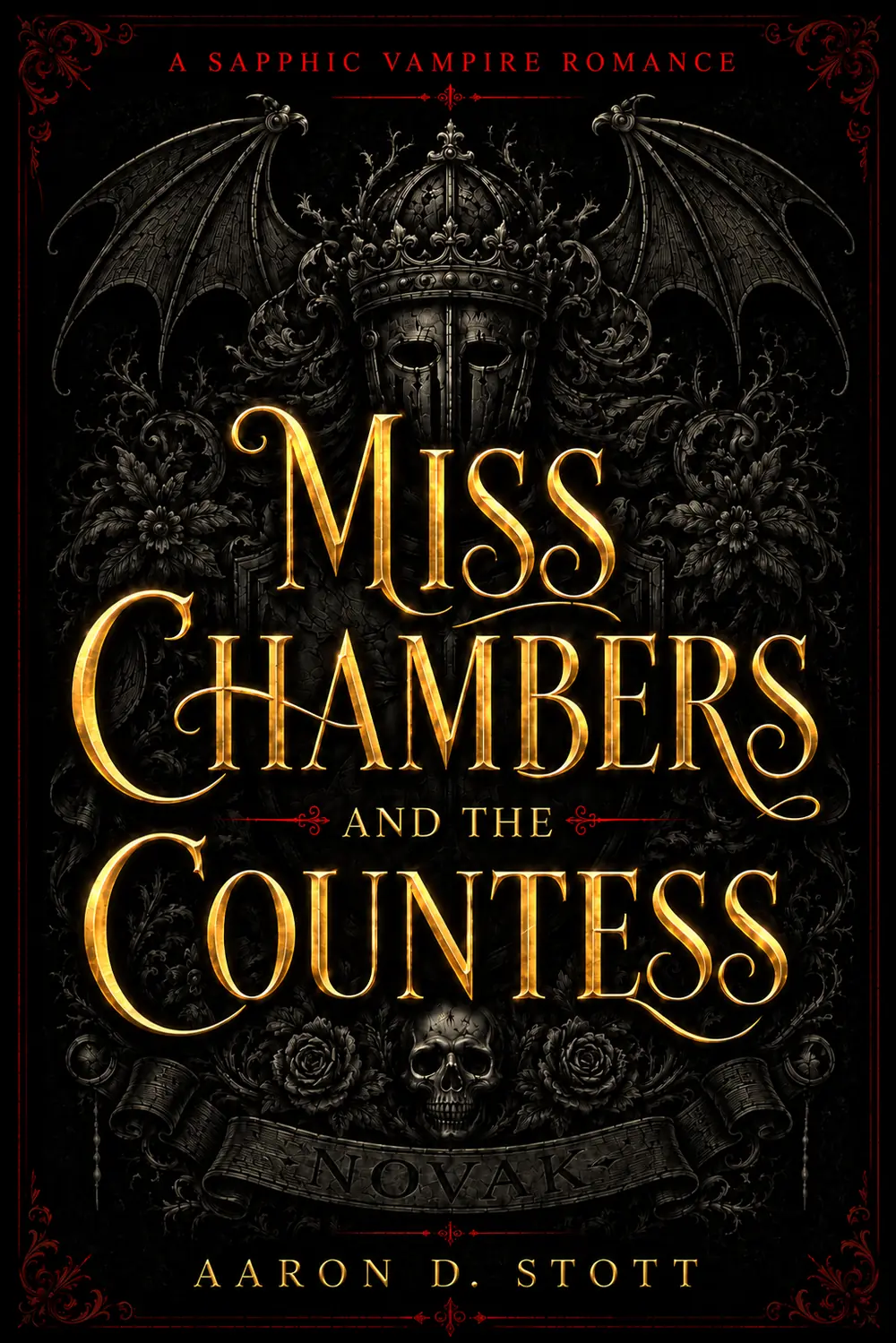
Miss Chambers and the Countess
A reserved Victorian scholar travels to a remote Carpathian castle to catalogue ancient manuscripts and finds herself drawn into an intimate, dangerous relationship with the immortal Countess who lives there.
Miss Chambers and the Countess
Coming soon — by Aaron D. Stott
A reserved Victorian scholar travels to a remote Carpathian castle to catalogue ancient manuscripts and finds herself drawn into an intimate, dangerous relationship with the immortal Countess who lives there.
Read it for: the slow, charged intimacy of a scholar and her immortal patron; corridors that seem to lengthen at night; and a love story that asks whether immortality is a curse or only loneliness without someone to remember you.
The Classics
Where the tradition began
Every sapphic vampire story is in conversation with these early texts. They established the grammar: the castle, the guest, the strange intimacy, the bite that is also a confession.
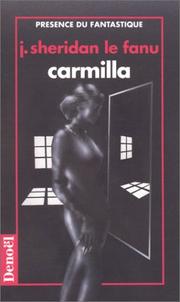 Joseph Sheridan Le Fanu — Carmilla (1872). The foundation of the entire subgenre. A young woman named Laura falls under the spell of her houseguest, the beautiful and unsettling Carmilla. The novel is short, dreamlike, and surprisingly direct about female desire.Find Carmilla on Amazon →
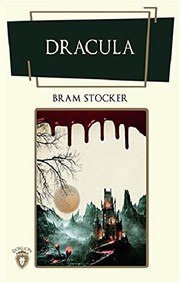 Bram Stoker — Dracula (1897). Not sapphic itself, but the novel that codified the vampire myth Stott's Countess inherits: the remote castle, the ancient library, the guest who becomes prey.Find Dracula on Amazon →
- J. Sheridan Le Fanu — Uncle Silas and other gothic tales. Le Fanu's larger body of work shaped the atmosphere of isolated estates and female vulnerability that sapphic gothic would later reclaim.Find Uncle Silas on Amazon →
The bite, reclaimed
Modern lesbian vampire novels
Contemporary writers have taken the vampire out of the male gaze and returned her to women. These novels treat the vampire as a figure of longing, endurance, and queer survival across centuries.
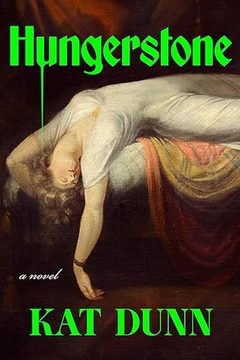 Kat Dunn — Hungerstone. A Victorian reworking of Carmilla itself: a restless, hungry wife in a decaying country house, and the magnetic stranger whose arrival exposes everything the household refuses to name. The closest modern heir to Le Fanu's original — and to Miss Chambers and the Countess.Find Hungerstone on Amazon →
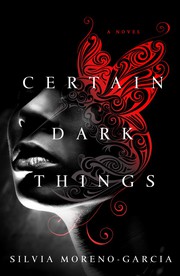 Silvia Moreno-Garcia — Certain Dark Things and Mexican Gothic. Certain Dark Things reimagines vampire mythologies through Mexican folklore, with a young woman caught between rival vampire lineages. Moreno-Garcia proves the vampire novel is still capable of reinvention.Find Certain Dark Things on Amazon →
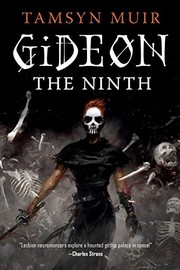 Tamsyn Muir — Gideon the Ninth and Harrow the Ninth. Necromancers, not vampires, but the same gothic register: swordfights, death rituals, and an unmistakable sapphic gravitational pull between two women who cannot stop orbiting each other.Find Gideon the Ninth on Amazon →
- Collections — Vampire anthologies and short fiction. Collections like Evil in a Skirt and themed sapphic horror anthologies often hide the sharpest, most playful vampire stories — the ones willing to be sexy, funny, and cruel in the same paragraph.Find sapphic vampire anthologies on Amazon →
Gothic Romance Neighbors
If you love the atmosphere
Not every sapphic gothic romance has a vampire, but many share the same mood: the house that watches, the woman who should not stay, the love that arrives like a fever. For more books in that tradition, begin with the lesbian gothic fiction guide.
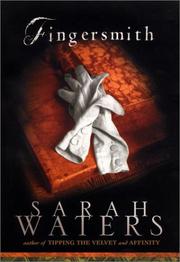 Sarah Waters — Fingersmith. A Victorian heist of deception and desire between two women — and the institutions that try to contain them.Find Fingersmith on Amazon →
 Sarah Waters — Affinity. A grieving spinster visits a women's prison and falls under the spell of a spiritualist medium. Waters at her most gothic.Find Affinity on Amazon →
 Kirsty Logan — The Gracekeepers. Lush, folkloric, and quietly queer — a different kind of gothic sea.Find The Gracekeepers on Amazon →
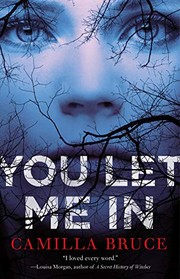 Camilla Bruce — You Let Me In. Folklore-tinged gothic with an unreliable narrator and a dark, feminine presence at its center.Find You Let Me In on Amazon →
"The vampire does not take. She invites. And some women, once invited, choose never to leave."
— Aaron D. Stott