A Reading Guide
Sapphic Pulp Sci-Fi
Ray guns, radioactive beasts, and two women who were never in the original picture.
The 1950s were the golden age of pulp science fiction — lurid covers on Amazing Stories, Weird Tales, and Galaxy, giant creatures crawling out of atomic test sites, brilliant scientists in horn-rimmed glasses, and heroines who screamed on the cover and fainted by page ten. The genre was fast, cheap, strange, and enormously fun.
It was also almost entirely straight. Queer women existed in mid-century paperback fiction — but in a separate ghetto called lesbian pulp, marketed as scandal rather than adventure. Sapphic characters almost never appeared in the science-fiction pulps at all, and when they did, they were villains or cautionary tales.
This guide is for readers looking for the book that shouldn't exist: a 50s-style pulp sci-fi adventure where the scientist and the woman she loves are the ones holding the ray gun.
Disclosure: As an Amazon Associate I earn from qualifying purchases made through links on this page.
The Genre
What defined 50s pulp science fiction
The pulps had a house style, and you can still feel it a page in:
- Atomic anxiety. Radiation was the all-purpose engine. It grew ants to the size of trucks, awakened things frozen in ice, and rewrote biology in ways no one bothered to justify.
- Brisk prose, big set pieces. Short chapters, punchy sentences, a monster on-screen by chapter three. Pulps respected the reader's time.
- Scientists as heroes. The pulp protagonist was usually a specialist — a biologist, a physicist, an engineer — solving an impossible problem before the impossible problem ate the town.
- Lurid, gorgeous covers. Painted, saturated, slightly unhinged. The cover was the pitch.
The Missing Shelf
Why sapphic pulp sci-fi barely exists
Two things kept sapphic characters out of the sci-fi pulps: the Comics Code and the publishing convention that queer women belonged in lesbian pulp, a completely separate paperback aisle. That genre — Ann Bannon's Beebo Brinker books, Patricia Highsmith's The Price of Salt, Vin Packer's Spring Fire — was allowed to depict women loving women, but only inside a very specific set of urban, contemporary, often tragic frames.
Meanwhile the science-fiction pulps stayed studiously heterosexual. You could have a giant scorpion, a Venusian invasion, and a plant that ate the mailman. You could not have two women in love saving the town from any of them.
The fusion — pulp sci-fi as a sapphic adventure story — was almost never attempted at the time, and remains rare today. It's the specific gap the Laura Chambers vs. books are trying to fill.
Modern Sapphic Sci-Fi
If you want the wider shelf
Contemporary sapphic science fiction has finally started to arrive at scale. None of these are 50s pulp — but they scratch adjacent itches: women in space, women in labs, women in love with each other while the universe misbehaves.
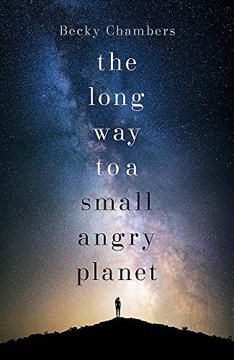 Becky Chambers — The Long Way to a Small, Angry Planet. Quiet, humane, character-first space opera. If pulp sci-fi was about the monster, Chambers is about the crew.
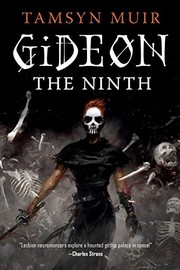 Tamsyn Muir — Gideon the Ninth. Lesbian necromancers in space with swords. Not pulp in tempo, but pulp in imagination — high-concept, unashamed, and openly sapphic.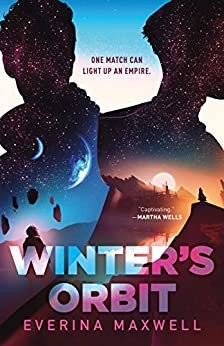
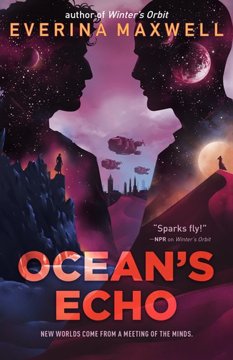 Everina Maxwell — Winter's Orbit and Ocean's Echo. Modern, romance-forward science fiction. Adjacent rather than sapphic — but the same instinct: put the relationship at the center and let the plot orbit it.
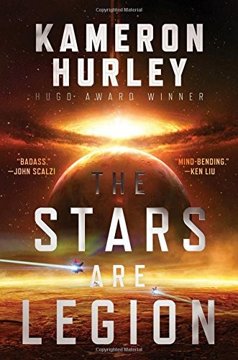 Kameron Hurley — The Stars Are Legion. An entire cast of women on organic starships tearing each other apart and back together. Weird, biological, and gloriously ungentle.
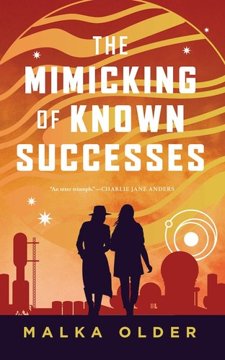 Malka Older — The Mimicking of Known Successes. A sapphic detective story set on a gas-giant railway. Cozy, speculative, and quietly romantic.
Featured Trilogy
Laura Chambers vs. — a sapphic pulp trilogy
Three short novels in the pulp tradition, played straight in every way except one: the scientist is a woman, the woman she loves is right there beside her, and the monster of the week is only the second-most interesting thing in the book. Each one stands alone; read them in any order.
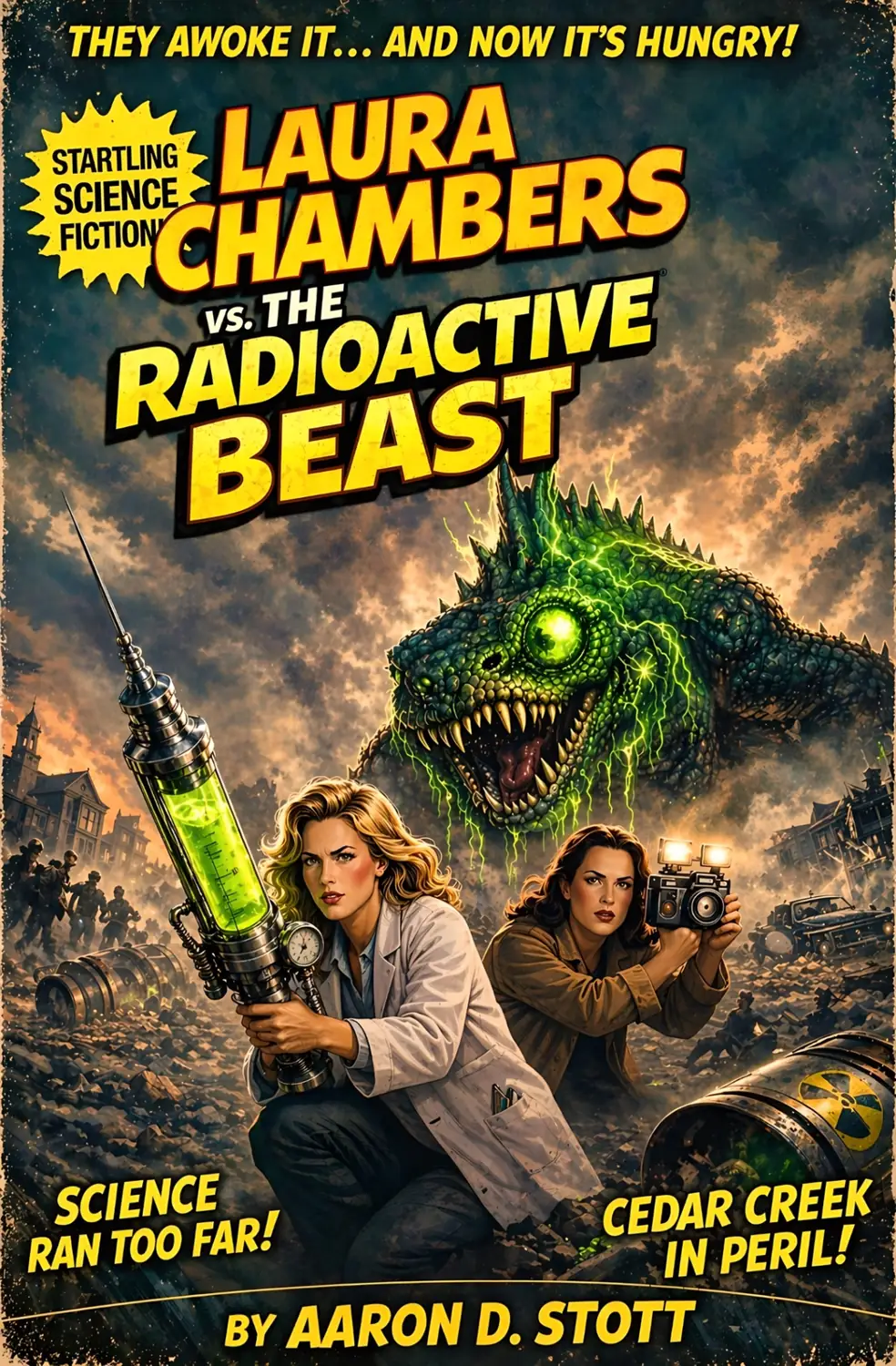
Laura Chambers vs The Radioactive Beast
The thing in the woods is feeding. Dr. Laura Chambers did not expect it to be eating electricity. A fast-paced pulp science adventure where a radioactive organism turns an entire power grid into its food supply.
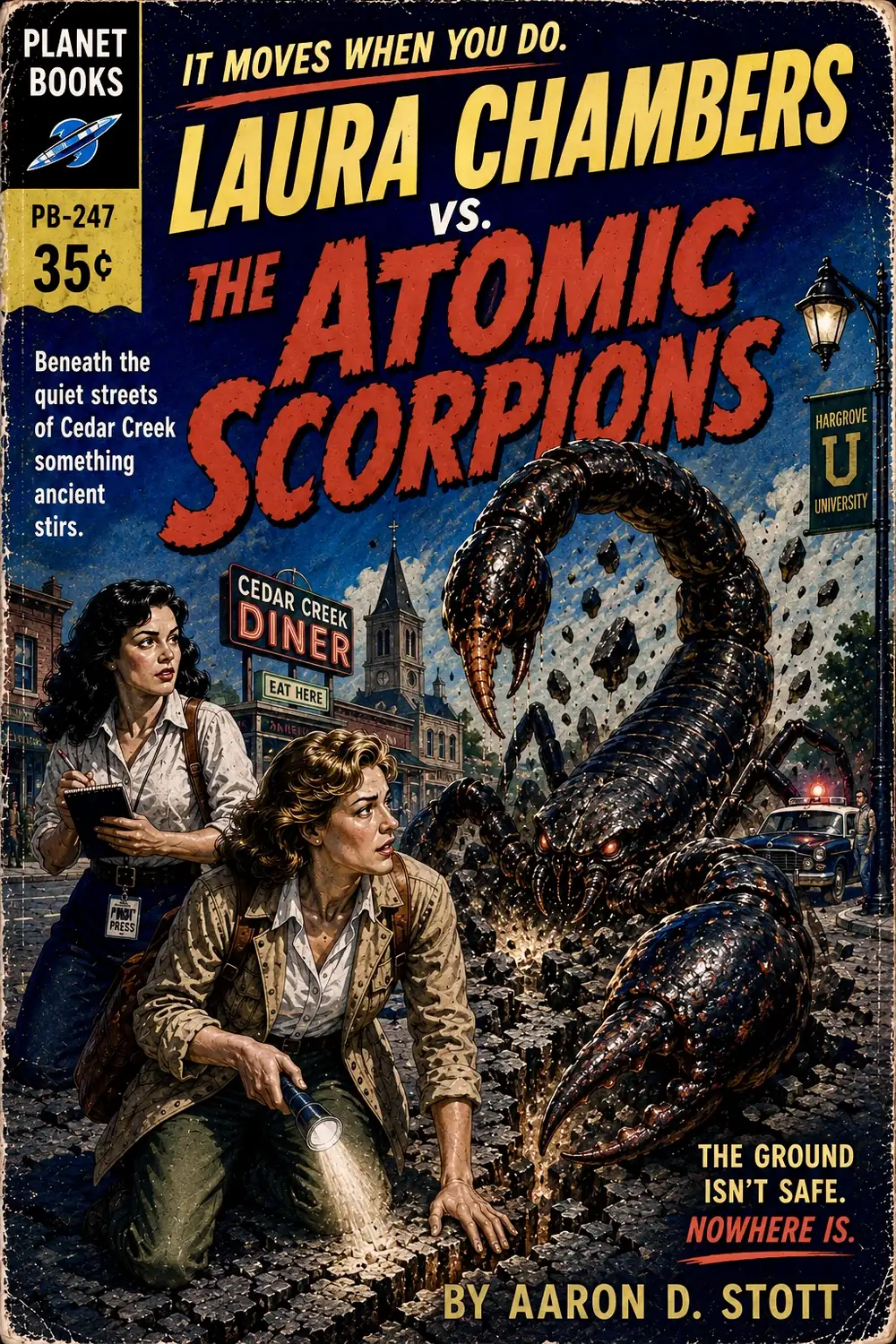
Laura Chambers vs The Atomic Scorpions
Dr. Laura Chambers discovers the impossible beneath Cedar Creek: giant armoured scorpions reacting to every vibration through the ground.
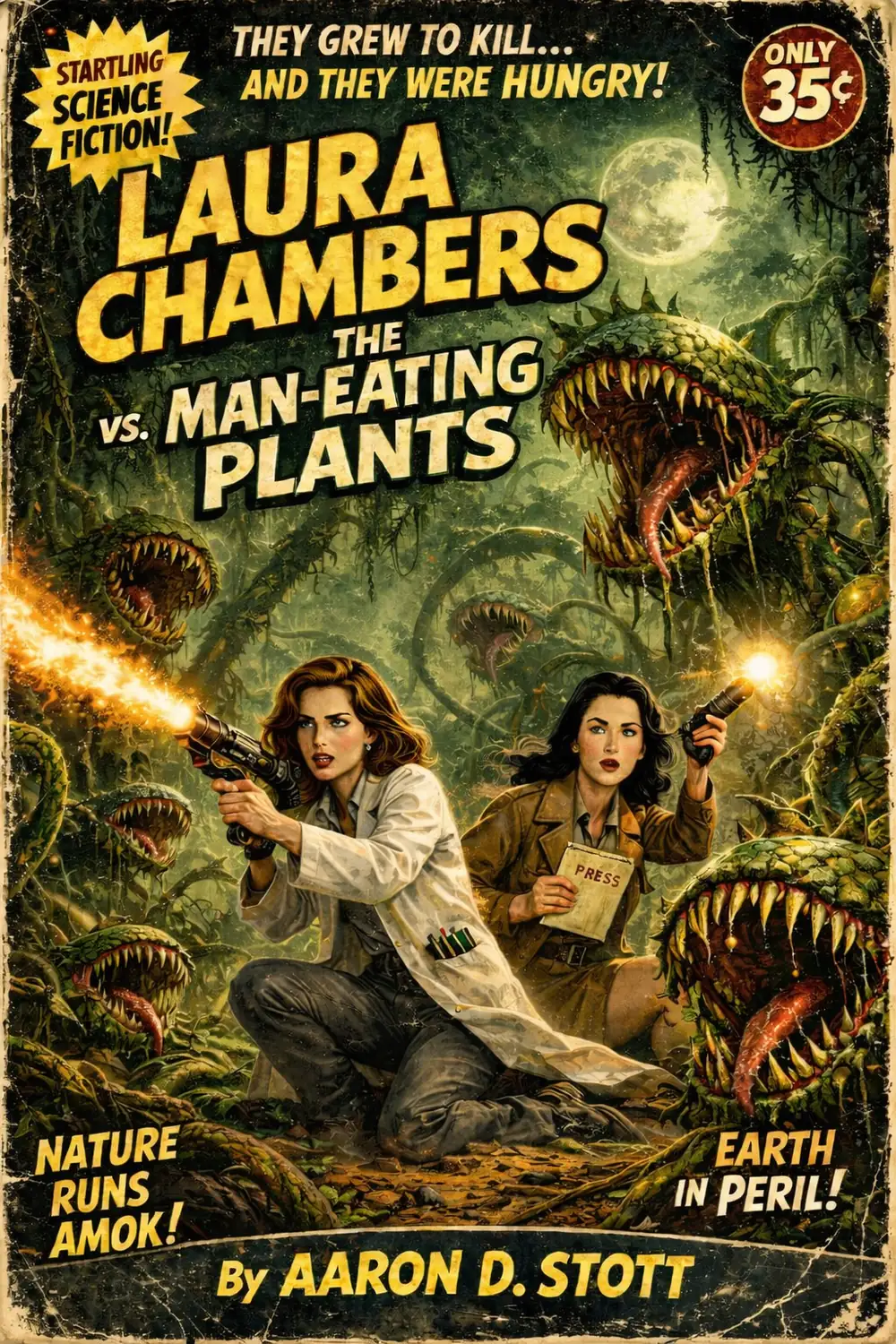
Laura Chambers vs The Man-Eating Plants
When a mysterious plant escapes the greenhouse, only Laura Chambers stands between humanity and a hungry new predator.
Read them for: radioactive organisms eating power grids, armoured scorpions surfacing beneath a small town, a greenhouse experiment that develops opinions — and a quiet, ongoing love story that survives all of it.
"The pulps were never really about the monster. They were about who stood next to you when it showed up."
— Aaron D. Stott